Serving Naperville & DuPage County, IL
Naperville hail roof claims start with evidence
Start with a free inspection before filing, so the storm date, roof damage, and claim scope line up.
Serving Naperville & DuPage County, IL
Start with a free inspection before filing, so the storm date, roof damage, and claim scope line up.
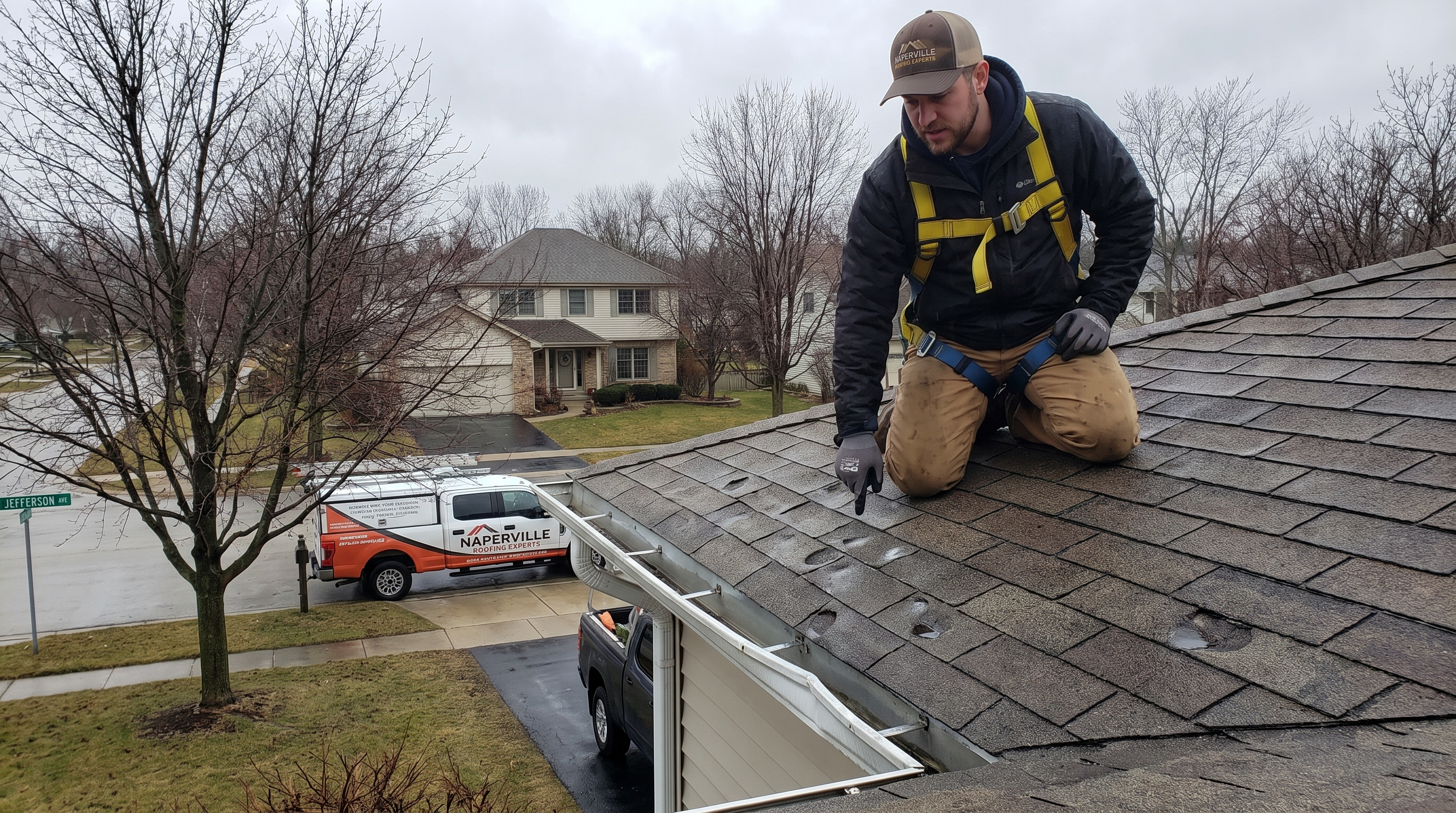
Naperville sits in the part of northeastern Illinois where spring and summer supercells can drop hail with little warning. DuPage County sees 1-2 significant hail events in a normal year, with the active stretch running from May through August. A roof can look fine from the driveway after one of those storms and still have bruised shingles, exposed asphalt, dented vents, and granule loss that shorten the roof's life.
Many Naperville homes were built from 1970 through 2000. That matters because older 3-tab shingles and early architectural shingles may already be near the end of their design life. Hail accelerates that failure curve. A roof that might have held for several more seasons can start shedding granules, losing seal strength, or showing leaks after freeze-thaw cycles open the damaged spots.
Insurance carriers do not approve hail claims because a roof looks old. They need a storm date and damage pattern that match weather data, often through NWS hail reports or carrier weather tools. State Farm, Allstate, Country Financial, and Pekin Insurance all review the date, roof age, impact pattern, and supporting photos before they decide whether replacement is owed.
Naperville Hail Roof Replacement connects property owners with licensed storm roofing contractors who inspect first, document the damage, meet the adjuster, review the claim, supplement missing items, and replace the roof once the scope is approved.
Hail roof replacement in DuPage County is part construction project and part evidence file. The roof inspection has to document functional shingle damage, metal hits, slope exposure, age, prior repairs, ventilation, code items, and the storm date before the homeowner files or accepts a carrier estimate.
The contractor match matters because Illinois hail claims often involve supplements. Initial estimates can miss ice and water shield, drip edge, starter strip, steep pitch charges, layer removal, gutters, vents, flashing, or damaged HVAC caps. Public adjusters are common in Illinois, but many homeowners can avoid claim confusion by getting the roofing documentation organized before the adjuster visit.
The goal is direct: confirm whether hail caused functional damage, protect the claim record, and replace the roof with materials that make sense for Naperville weather.
More about us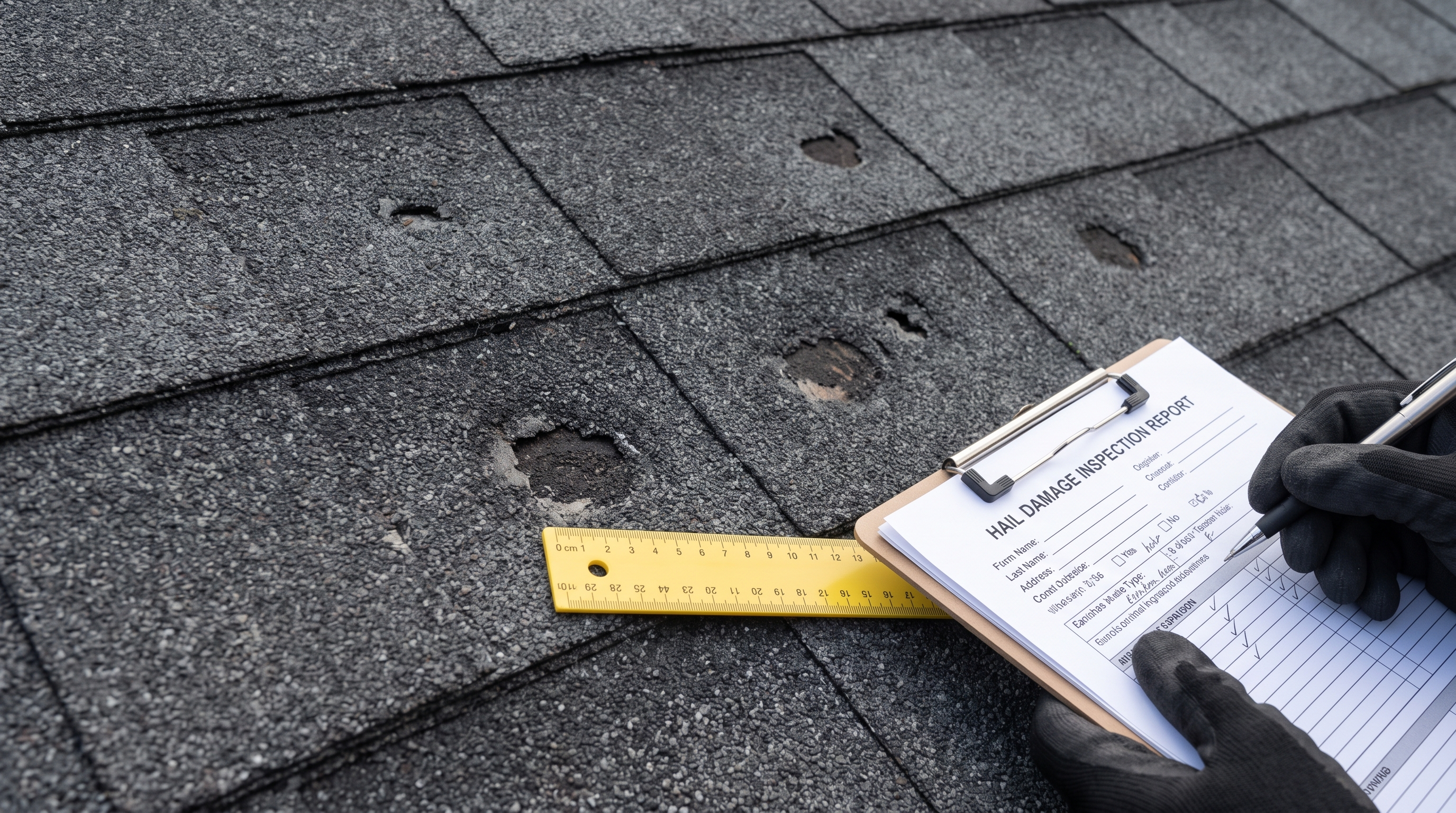
Hail damage can affect shingles, gutters, vents, flashing, and the insurance file at the same time. These services cover the work Naperville homeowners often need after a DuPage County hail event.
A roof, gutter, and metal component inspection checks for functional hail damage before you decide whether to file a claim.
Learn more →A technical assessment separates functional hail damage from cosmetic dents, age wear, blistering, and prior roof problems.
Learn more →Claim assistance helps homeowners organize storm dates, documentation, adjuster appointments, estimate review, and supplements.
Learn more →Roof replacement removes storm-damaged materials and installs a new roofing system after the insurance scope is approved.
Learn more →Gutter replacement addresses hail-dented, bent, leaking, or storm-damaged gutters and downspouts tied to the roof claim.
Learn more →Metal component repair documents and fixes hail damage to vents, flashing, ridge metal, pipe caps, HVAC caps, and roof accessories.
Learn more →Naperville Hail Roof Replacement serves homeowners throughout Naperville and nearby DuPage County communities, including Aurora, Bolingbrook, Downers Grove, Lisle, and Woodridge. The service area covers western suburbs where mature neighborhoods, newer subdivisions, and mixed roof ages can all show hail damage in different ways.
Storm cells can track across the western suburbs in narrow bands, so two houses a mile apart may not have the same damage. That is why the inspection has to tie the property address to the storm path, the roof slope exposure, and the actual shingle or metal impacts found on site.
See all service areas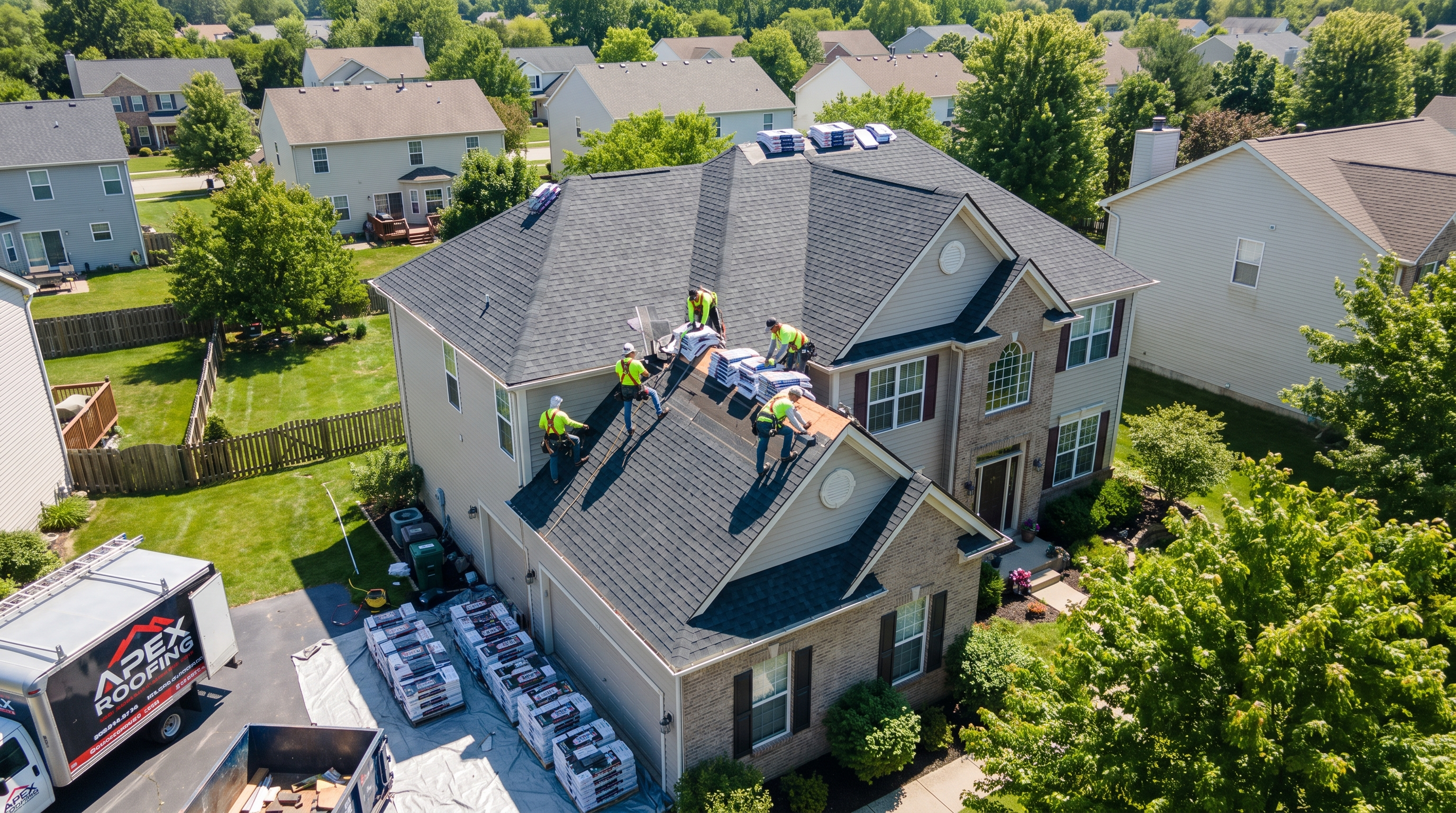
Carriers compare the reported loss date against weather data before they approve hail work. Matched contractors help connect visible roof damage to the correct Naperville or DuPage County hail event instead of guessing at a date.
Many Naperville roofs use 3-tab or architectural shingles installed on homes built from 1970 through 2000. Those materials can show functional hail damage with smaller impacts than a newer roof because age, sun, and prior storms have already weakened the mat.
A contractor should be present when the insurance adjuster checks the roof. That helps document windward slopes, ridge caps, vents, gutters, and low-slope areas that can get missed in a short inspection.
Initial carrier estimates often leave out code items, metal components, layer removal, or access charges. A careful supplement can keep the final scope aligned with the work needed to replace the roof correctly.
Start with a roof inspection and the approximate storm date. Hail damage often shows as bruised shingles, circular granule loss, exposed asphalt, broken mat fibers, and dents on vents or gutters. The contractor should compare those findings with NWS hail reports or carrier weather data for Naperville.
The average hail claim in DuPage County often falls between $7,000 and $18,000, depending on roof size, pitch, material, code items, and metal component damage. Your out of pocket cost depends on your deductible and whether your policy pays RCV or ACV.
The process starts with a free inspection, storm damage documentation, and storm date review. If the roof has claimable damage, the homeowner files the claim, the contractor meets the adjuster, the estimate gets reviewed for missing items, and materials are selected before installation.
Illinois roofing contractors should carry the required state roofing license and insurance for roof replacement work. Ask for the license details, proof of insurance, material warranty information, and a written scope before signing any agreement.
Yes. Functional hail damage can shorten shingle life without causing an immediate leak. The damage often appears later as granule loss, cracked shingles, failed seals, or water entry after freeze-thaw cycles open the bruised areas.

Free inspection first. No obligation, and no claim filing until the roof evidence is clear.
Free — no obligations